Key Takeaways
- Professional dissertation editing services significantly improve publication success by addressing language barriers and enhancing manuscript clarity.
- Editors with advanced degrees in relevant disciplines can provide nuanced feedback that goes beyond basic proofreading.
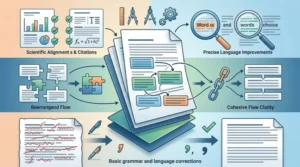
- Comprehensive editing involves improving sentence structure, terminology consistency, and overall academic tone to meet journal standards.
- Different editing levels exist: proofreading, copy editing, and substantive editing, each addressing progressively deeper manuscript aspects.
- Non-native English speakers benefit from specialized editing that adapts content to English academic writing conventions while preserving research integrity.
Completing a dissertation represents years of dedicated research, critical thinking, and scholarly effort. However, even the most brilliant research can face rejection if the manuscript contains unclear writing, structural inconsistencies, or formatting errors. Dissertation editing services provide professional support to ensure your academic work meets the rigorous standards required for successful submission and publication in peer-reviewed journals. These specialized services go beyond basic proofreading to enhance clarity, strengthen arguments, and polish your research into a publication-ready manuscript.
For PhD candidates and researchers preparing dissertations for academic submission, professional editing services offer expertise that can make the difference between acceptance and rejection. Studies consistently show that poor English language quality and unclear presentation contribute significantly to manuscript rejection rates, even when the underlying research is sound. Whether you are a non-native English speaker or simply seeking expert refinement of your work, understanding what dissertation editing services offer can help you make an informed decision about this important investment in your academic career.

Understanding Different Types of Dissertation Editing Services
Dissertation editing services encompass several distinct levels of support, each designed to address different aspects of manuscript preparation. Knowing which type of editing your dissertation needs is essential for selecting the appropriate service level and ensuring you receive the support necessary for successful publication.
The three primary categories of dissertation editing include proofreading, copy editing, and substantive editing. Proofreading focuses on surface-level corrections such as spelling errors, punctuation mistakes, and basic grammar issues. This is the most basic level of editing and is suitable only when your manuscript is already well-written and structured.
Copy editing addresses language quality more comprehensively, improving sentence structure, word choice, consistency, and overall readability while ensuring adherence to specific style guides like APA, MLA, or Chicago format. This level of editing enhances clarity and ensures your writing meets academic standards without altering your core arguments or research findings.
Substantive editing provides the deepest level of revision, examining the logical flow of arguments, organizational structure, coherence between sections, and overall effectiveness of your scholarly communication. This comprehensive approach may involve restructuring chapters, strengthening transitions, eliminating redundancies, and ensuring your dissertation presents a compelling, well-supported narrative throughout.

Key Features That Define Quality Dissertation Editing
Professional dissertation editing services distinguish themselves through several critical features that directly impact the quality and effectiveness of their work. Understanding these features helps you evaluate potential editing providers and select the service that best meets your specific needs.
Subject Matter Expertise and Academic Credentials
The most reputable dissertation editing services employ editors who hold advanced degrees, typically PhDs, in relevant academic disciplines. This expertise enables editors to understand complex research concepts, recognize field-specific terminology, and provide insights that go beyond mechanical language correction. When your editor understands your research area, they can identify unclear explanations, suggest improvements to your argumentation, and ensure your work aligns with current scholarly discussions in your field.
PubMed and other academic databases demonstrate the importance of precise scientific communication, with properly edited manuscripts achieving significantly higher citation rates and publication success. San Francisco Edit specifically matches manuscripts with native English-speaking PhD scientists who have extensive experience in the relevant research area, ensuring editors understand both the linguistic and technical aspects of your dissertation.
Comprehensive Language and Style Enhancement
Quality dissertation editing addresses multiple dimensions of academic writing simultaneously. Professional editors examine sentence clarity, eliminate ambiguous phrasing, improve word choice, ensure consistent terminology usage, and refine the overall academic tone of your work. They also verify that your writing follows the specific formatting requirements of your target journal or institution, including citation styles, heading structures, table formatting, and reference list organization.
Beyond mechanical corrections, editors enhance the logical flow between paragraphs and sections, strengthen topic sentences, improve transitions, and ensure each chapter builds effectively toward your conclusions. This comprehensive approach transforms a rough draft into a polished manuscript that effectively communicates your research contributions to your academic audience.

How Dissertation Editing Services Improve Publication Success
The primary goal of dissertation editing extends beyond error correction to significantly increase your chances of publication acceptance. Research consistently demonstrates that well-edited manuscripts receive faster review times, fewer revision requests, and higher acceptance rates compared to poorly presented work.
Professional editing eliminates the language barriers that often lead to manuscript rejection. Journal editors and peer reviewers make quick judgments about manuscript quality based on writing clarity and presentation. When your dissertation contains grammar errors, unclear sentences, or awkward phrasing, reviewers may question the quality of your research itself, even if your methodology and findings are excellent.
Addressing Common Rejection Factors
Studies analyzing manuscript rejection reasons identify several preventable issues that professional editing directly addresses:
- Unclear research objectives and poorly defined hypotheses that confuse readers about your study’s purpose
- Weak introductions that fail to establish context or justify the research importance
- Inconsistent terminology and abbreviations that create confusion throughout the manuscript
- Poor organizational structure that makes it difficult to follow your argument’s logical progression
- Inadequate discussion sections that fail to contextualize findings within existing literature
- Formatting inconsistencies that violate journal submission guidelines
San Francisco Edit has achieved a 98 percent publication acceptance rate for edited manuscripts, demonstrating how professional editing directly translates to publication success. This exceptional track record results from experienced editors who understand what journal reviewers expect and how to present research in ways that meet those expectations.

The Dissertation Editing Process: What to Expect
Understanding the typical dissertation editing workflow helps you prepare your manuscript appropriately and set realistic expectations for the service you will receive. While specific processes vary between providers, most professional services follow a structured approach designed to maximize quality and efficiency.
Initial Submission and Assessment
The process typically begins with manuscript submission through an online portal where you provide your dissertation file, specify your target journal or institutional requirements, and indicate any particular concerns or focus areas. Many services offer free sample edits of a few pages, allowing you to evaluate the editor’s style and expertise before committing to the full project.
After reviewing your manuscript, the service assigns an appropriate editor based on subject matter expertise, provides a detailed quote based on word count, and establishes a timeline for completion. Standard turnaround times for a 60,000-word dissertation typically range from one to two weeks, with expedited options available for urgent deadlines.
Editing and Review Stages
During the editing phase, your assigned editor reviews your dissertation systematically, addressing language quality, structural organization, clarity, and consistency. Most services provide the edited document using Microsoft Word’s Track Changes feature, allowing you to see every modification made to your original text. This transparency helps you understand the improvements and learn from the editorial process.
Beyond tracked changes, quality editing services provide detailed explanatory comments addressing why certain changes were made, suggesting alternative phrasings where multiple options exist, identifying sections that may need expansion or clarification, and offering recommendations for strengthening arguments or improving evidence presentation. These comments serve as valuable learning tools that improve your future writing skills.
Revision Support and Final Delivery
After receiving the edited manuscript, you have the opportunity to review changes, ask questions about specific edits, and request clarification on any modifications you don’t understand. Professional services encourage direct communication between authors and editors to ensure complete satisfaction with the final product.
Many providers include a revision guarantee, offering additional review of sections you’ve modified based on editorial suggestions or areas where you’ve incorporated new content. This iterative approach ensures your final dissertation maintains consistent quality throughout, even after you’ve made post-editing adjustments.
Choosing the Right Dissertation Editing Service for Your Needs
Selecting an appropriate dissertation editing service requires careful consideration of several factors that directly impact the quality, relevance, and value of the editing you receive. Making an informed choice ensures your investment produces the best possible results for your academic career.
Evaluating Editor Qualifications and Experience
The most critical factor in dissertation editing quality is the expertise of the individual editor assigned to your manuscript. Verify that the service employs editors with advanced degrees in relevant fields, not just general language experts. An editor with a PhD in molecular biology will provide far more valuable feedback on a biomedical dissertation than a generalist editor with only language training.
Ask about the service’s editor selection process and whether you can choose your editor based on their specific expertise and background. San Francisco Edit’s team includes native English-speaking PhD scientists with more than 325 years of combined experience in academic writing, editing, and publishing. This deep expertise ensures your dissertation receives attention from professionals who understand both the linguistic and scholarly dimensions of your work.
Understanding Pricing Structures and Value
Dissertation editing services typically charge based on word count, with rates varying according to service level and turnaround time. For a standard 60,000-word dissertation, costs can range from approximately $1,260 to over $2,000, depending on the editing depth and timeline.
When evaluating pricing, consider what each service includes. The lowest price doesn’t always represent the best value if the editing is superficial or performed by inexperienced editors. Look for services that provide comprehensive editing, detailed explanatory comments, direct editor communication, and revision support within their quoted price.
San Francisco Edit charges $33.00 per 250 words (approximately one page of double-spaced text), which includes the fully edited document with tracked changes, detailed explanations of modifications, and suggested additions where appropriate. This transparent pricing structure helps you budget accurately while ensuring you receive comprehensive professional editing.
Assessing Turnaround Times and Scheduling
Consider your deadline carefully when selecting an editing service. While faster turnaround options exist, rushing the editing process may compromise quality. Standard editing timelines of 6-8 days for typical manuscripts allow editors sufficient time to thoroughly review your work and provide thoughtful, comprehensive feedback.
If you face an urgent deadline, look for services offering expedited options without sacrificing quality. San Francisco Edit provides rush editing services with 3-4 day turnaround times for projects requiring faster completion, ensuring you can meet tight deadlines when necessary without compromising on editorial excellence.
Specialized Editing Support for Non-Native English Speakers
International researchers and non-native English speakers face unique challenges when preparing dissertations for publication in English-language journals. Language barriers can obscure brilliant research, leading to higher rejection rates despite strong methodological quality and significant findings.
Professional dissertation editing services specializing in supporting non-native English authors provide more than basic language correction. These services address common second-language writing patterns, improve sentence structure and flow, enhance clarity without altering meaning or intent, ensure appropriate use of articles, prepositions, and verb tenses, and strengthen overall readability for English-speaking academic audiences.
Cultural and Linguistic Adaptation
Effective editing for non-native speakers requires understanding how different languages structure arguments and present information. Many non-English academic traditions emphasize different rhetorical approaches than English-language journals expect. Professional editors familiar with these differences can help restructure content to meet English academic conventions while preserving your unique voice and perspective.
This cultural adaptation includes adjusting introduction and discussion sections to match English academic expectations, reorganizing paragraphs for clearer logical progression, strengthening topic sentences and transitions, and ensuring conclusions effectively summarize findings and implications. These adjustments make your research more accessible to international reviewers while maintaining scholarly rigor and accuracy.
Converting Dissertations to Journal Articles
Many researchers seek to publish portions of their dissertations as journal articles, requiring significant adaptation from the original thesis format. This conversion process involves more than simple excerpt selection; it requires strategic restructuring to meet journal length limits, audience expectations, and publication standards.
Professional editing services experienced in dissertation-to-article conversion can help you identify the strongest publishable components of your thesis, restructure content to fit journal article formats, condense lengthy literature reviews into focused introductions, sharpen methodology sections for clarity and brevity, and strengthen results and discussion sections for maximum impact.
Strategic Publication Planning
Converting a dissertation into multiple journal articles requires strategic planning to maximize your publication output while avoiding self-plagiarism concerns. Experienced editors can advise on dividing your dissertation into distinct articles with unique contributions, identifying appropriate target journals for each article, ensuring each publication stands independently while maintaining coherent connections, and structuring content to meet specific journal requirements and preferences.
This strategic approach to dissertation publication helps you build a stronger publication record from your doctoral research, increasing your academic visibility and advancing your career prospects. San Francisco Edit’s extensive experience with journal publication requirements across multiple disciplines provides valuable guidance for researchers seeking to maximize the publication potential of their dissertation work.
Confidentiality and Document Security in Dissertation Editing
Protecting your intellectual property and maintaining research confidentiality represents a critical concern when sharing unpublished dissertation work with editing services. Reputable providers implement strict security measures and confidentiality policies to safeguard your research.
Professional services should offer clear confidentiality agreements, secure document transmission and storage systems, policies prohibiting editors from sharing or discussing client work, and guaranteed document destruction if you choose not to proceed after receiving a quote. These protections ensure your research remains secure throughout the editing process.
San Francisco Edit maintains strict confidentiality protocols and destroys documents if quotes are not accepted, protecting your intellectual property while providing the professional editing support you need. This commitment to security allows you to share your work confidently, knowing your research remains protected throughout the editing process.
Maximizing the Value of Professional Dissertation Editing
To receive the greatest benefit from dissertation editing services, prepare your manuscript appropriately before submission and engage actively with the editing process. These practices enhance the value you receive and accelerate your development as a scholarly writer.
Pre-Editing Preparation Steps
Before submitting your dissertation for editing, take these preparatory steps to ensure the most effective editing process:
- Complete all content sections fully rather than sending incomplete drafts that require extensive later additions
- Verify that all references are properly cited and formatted according to your target style guide
- Review your institution’s or target journal’s formatting requirements and apply them to your manuscript
- Conduct your own proofreading to eliminate obvious errors and typos before professional editing begins
- Prepare specific questions or concerns you want the editor to address during the review process
These preparation steps allow editors to focus on higher-level improvements rather than basic corrections, maximizing the value and depth of feedback you receive.
Learning from Editorial Feedback
Professional editing provides more than a corrected manuscript; it offers valuable learning opportunities that improve your future writing. Pay attention to patterns in editorial comments, common errors the editor identifies, structural suggestions that strengthen your arguments, and stylistic improvements that enhance clarity and readability.
Many researchers find that working with professional editors significantly improves their writing skills over time, reducing the need for extensive editing on future manuscripts. This learning effect makes professional editing an investment in your long-term academic success, not just a one-time service purchase.
The Impact of Professional Editing on Academic Careers
Investing in professional dissertation editing extends beyond improving a single manuscript. Quality editing influences your broader academic trajectory by increasing publication rates that strengthen tenure and promotion applications, enhancing research visibility through clearer, more accessible writing, building credibility with journal editors and peer reviewers, and accelerating career advancement through stronger publication records.
For early-career researchers, the publication success enabled by professional editing can be particularly impactful, establishing research credentials, attracting collaboration opportunities, and securing future funding through demonstrated publication ability. These career benefits far exceed the initial cost of professional editing services.
Why San Francisco Edit Stands Out in Dissertation Editing
While numerous editing services exist, San Francisco Edit distinguishes itself through several key advantages that directly benefit dissertation authors seeking publication success. The service employs native English-speaking PhD scientists with extensive research experience across multiple disciplines, ensuring your editor understands both the language and content of your work.
With more than 60 years of combined principal experience and over 325 years of total staff experience in academic writing and editing, San Francisco Edit brings unmatched expertise to dissertation editing. This depth of experience translates to higher quality editing, more insightful feedback, and better publication outcomes for clients.
The 98 percent publication acceptance rate for San Francisco Edit manuscripts demonstrates this quality advantage. This exceptional success rate results from editors who have conducted their own research, published in leading journals, worked with international collaborators, and engaged extensively with journal peer review processes. They understand what journal editors seek and how to present research effectively for publication acceptance.
San Francisco Edit provides comprehensive support including detailed explanatory comments beyond simple corrections, direct communication between authors and editors, knowledge resources for improving scientific writing, and global service availability for researchers worldwide. This complete approach addresses both immediate editing needs and long-term writing development.
Conclusion: Investing in Your Academic Success
Dissertation editing services represent a strategic investment in your academic career, transforming years of research effort into polished, publication-ready manuscripts that effectively communicate your scholarly contributions. Professional editing addresses the language quality, structural coherence, and presentation standards that determine publication success, particularly for non-native English speakers and early-career researchers navigating the competitive academic publishing landscape.
The right editing service provides more than error correction, offering subject matter expertise, comprehensive language enhancement, strategic publication guidance, and learning opportunities that improve your future writing. When selecting a dissertation editing provider, prioritize editor qualifications, service comprehensiveness, and demonstrated publication success over price alone.
San Francisco Edit’s exceptional track record, extensive expertise, and commitment to client success make it the ideal partner for researchers seeking to maximize their dissertation’s publication potential. With native English-speaking PhD editors, transparent pricing, and a 98 percent publication acceptance rate, San Francisco Edit delivers the quality and results that advance academic careers. Submit your dissertation today to experience the difference that expert editing makes in achieving your publication goals and advancing your research impact.
FAQs
Q: How much does professional dissertation editing typically cost?
A: Dissertation editing costs vary based on word count, service level, and turnaround time. For a standard 60,000-word dissertation, expect to pay between $1,260 and $2,000. San Francisco Edit charges $33.00 per 250 words, which includes comprehensive editing with tracked changes, detailed explanations, and revision support. While price is important, focus on editor qualifications and service quality to ensure the best value for your investment.
Q: What is the difference between proofreading and substantive editing for dissertations?
A: Proofreading addresses surface-level errors like spelling, punctuation, and basic grammar mistakes. Substantive editing provides comprehensive revision that examines logical flow, organizational structure, argument coherence, and overall scholarly effectiveness. Substantive editing may involve restructuring chapters, strengthening transitions, and enhancing the clarity of your research presentation. Most dissertations benefit from substantive editing rather than basic proofreading alone.
Q: How long does professional dissertation editing take?
A: Standard dissertation editing typically requires 6-8 days for thorough review and comprehensive feedback. For a 60,000-word dissertation, turnaround times range from one to two weeks depending on the service level and editor availability. Rush services can complete editing in 3-4 days when urgent deadlines require faster turnaround. However, quality editing requires sufficient time for detailed review, so avoid unnecessary rushing when possible.
Q: Can dissertation editing services help non-native English speakers?
A: Professional dissertation editing services provide essential support for non-native English speakers by addressing language barriers that often lead to manuscript rejection. Expert editors improve sentence structure, eliminate awkward phrasing, ensure proper grammar and article usage, and adapt content to meet English academic writing conventions. This specialized support significantly increases publication success for international researchers whose excellent research may be obscured by language challenges.
Q: Should I choose an editor with expertise in my research field?
A: Absolutely. Editors with advanced degrees and research experience in your specific field provide far more valuable feedback than general language experts. Subject matter expertise enables editors to understand complex concepts, recognize field-specific terminology, identify unclear explanations, and ensure your work aligns with current scholarly discussions. San Francisco Edit matches manuscripts with native English-speaking PhD scientists who have relevant research experience, ensuring both linguistic and technical quality.