Key Takeaways
-
Poor English quality and unclear presentation significantly contribute to manuscript rejection even with sound research; professional editing bridges this gap by transforming work into journal-ready submissions.
-
Effective manuscript editors must have PhD-level training in relevant scientific disciplines combined with native English proficiency to understand complex concepts and ensure natural, professional phrasing.
-
Comprehensive scientific editing includes language corrections plus structural feedback and clarity improvements, going far beyond basic proofreading to address methodology presentation and argument strength.
-
High-quality scientific manuscript editing costs $30-40 per double-spaced page; cheaper services often sacrifice quality through less-qualified editors or rushed reviews that miss critical issues.
-
Services should maintain editor teams across multiple disciplines and match manuscripts to subject-matter specialists who understand field-specific terminology and can identify discipline-relevant clarity issues.
-
Transparent pricing should include fully edited documents with tracked changes, detailed explanatory comments, and reference verification without hidden fees or additional charges.
-
Reputable services offer guaranteed turnaround times (3-4 days for rush orders, 6-8 days standard) while maintaining quality, and provide post-editing support like follow-up questions for non-native authors.
-
Verify confidentiality guarantees, encrypted file transmission, secure storage systems, and willingness to accommodate institutional non-disclosure agreements before trusting sensitive research to an editing service.
Publishing your research in a peer-reviewed journal is a crucial step in advancing your academic career, yet manuscript rejection rates remain discouragingly high. Studies published on PubMed reveal that poor English language quality and unclear presentation contribute significantly to manuscript rejection, even when the underlying research is sound. A professional manuscript editing service can bridge the gap between solid research and successful publication, transforming your work into a polished, journal-ready submission.
The challenge lies not in finding an editing service, but in selecting one that truly understands the unique demands of scientific, medical, and academic publishing. With countless options available, from freelance editors to automated tools, researchers must navigate a complex landscape to find a service that delivers both linguistic precision and subject-matter expertise. This guide will walk you through the essential criteria for evaluating manuscript editing services and help you make an informed decision that maximizes your publication success.
Understanding what separates exceptional editing services from mediocre ones can save you time, money, and countless revision cycles. The right editing partner does more than correct grammar—they enhance clarity, ensure adherence to journal standards, and position your research for acceptance by even the most selective publications.
Understanding What a Manuscript Editing Service Actually Does
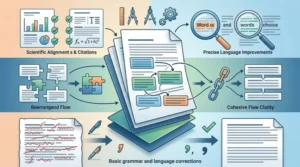
A manuscript editing service goes far beyond simple proofreading or spell-checking. Professional editors review your scientific or medical manuscript with a dual focus on language quality and adherence to academic publishing standards. They correct grammatical errors, improve sentence structure, and enhance overall readability while ensuring your content maintains scientific accuracy and follows the specific formatting requirements of your target journal.
The editing process typically involves multiple layers of review. Editors examine your work for clarity of expression, logical flow of arguments, appropriate use of technical terminology, and consistency in style. They identify ambiguous statements that might confuse reviewers, suggest reorganization of sections for better impact, and ensure that your methodology and results sections communicate your findings effectively.
Quality manuscript editing services employ native English-speaking editors with advanced degrees in relevant scientific fields. This combination of language expertise and subject knowledge allows editors to understand your research deeply enough to improve communication without altering your intended meaning. They can recognize when a sentence is technically correct but scientifically unclear, or when terminology is used inappropriately for your specific discipline.
The Different Types of Editing Services Available
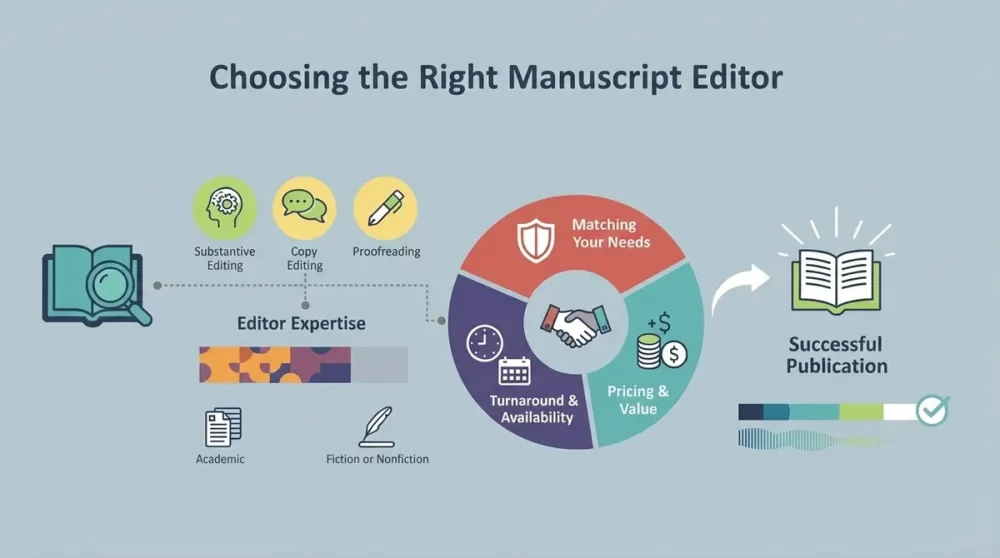
Manuscript editing services typically offer several tiers of support, each addressing different needs and manuscript stages. Understanding these distinctions helps you select the appropriate level of service for your specific situation:
-
Language Editing and Proofreading: This basic service focuses on correcting spelling, grammar, punctuation, and syntax errors. It ensures your manuscript is free from language mistakes but does not involve substantial restructuring or content suggestions.
-
Comprehensive Scientific Editing: This advanced service includes all language corrections plus detailed feedback on structure, clarity, and scientific presentation. Editors may suggest reorganizing sections, clarifying methodology, or strengthening your discussion to better support your conclusions.
-
Formatting and Submission Support: Some services help prepare your manuscript according to specific journal requirements, including reference formatting, figure preparation, and cover letter development. This ensures your submission meets all technical requirements before you send it to editors.
Key Qualifications to Look for in an Editing Service
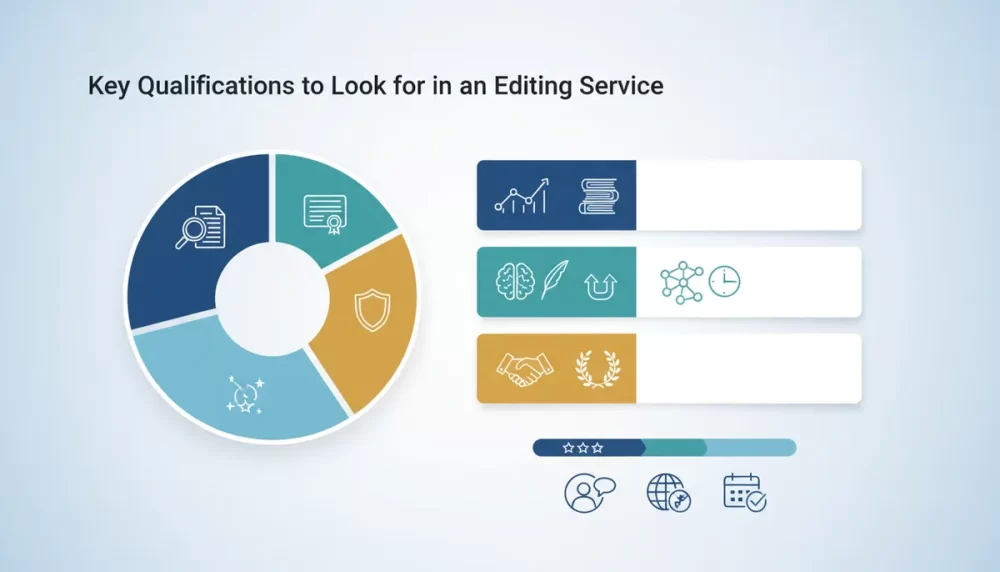
The credentials and experience of your editing team directly impact the quality of the final manuscript. When evaluating potential services, examine the qualifications of the actual editors who will work on your document, not just the company’s general marketing claims.
Look for services that employ editors with doctoral-level training in relevant scientific disciplines. A PhD-qualified editor brings invaluable subject expertise that allows them to understand complex research concepts, recognize discipline-specific terminology, and identify potential issues in your methodology or data presentation that might raise concerns during peer review.
Native English proficiency is equally important, particularly for non-native English authors. Editors who grew up speaking English possess an intuitive understanding of nuance, idiom, and natural phrasing that second-language speakers rarely achieve, no matter how proficient they become. This native fluency ensures your manuscript reads naturally and professionally, eliminating the subtle language markers that can bias reviewers against your work.
Experience with Peer-Reviewed Publishing
Theoretical knowledge differs significantly from practical publishing experience. The most effective manuscript editors have firsthand experience with the peer review process, either through their own research publications or through extensive work editing for academic journals.
Services like scientific editing specialists understand the expectations of journal editors and peer reviewers because they have navigated this process themselves. They know which presentation issues most commonly trigger rejection, how to frame controversial findings diplomatically, and how to structure arguments for maximum persuasive impact.
Ask potential editing services about their publication success rates. Reputable services track how many edited manuscripts achieve publication in peer-reviewed journals. While no service can guarantee acceptance—since editorial decisions depend on many factors beyond language quality—consistently high publication rates indicate effective editing that addresses the concerns of journal editors and reviewers.
Evaluating Turnaround Time and Service Flexibility
Academic publishing operates on tight deadlines, whether you are submitting to a conference with a fixed date or responding to reviewer comments within a journal-imposed timeframe. Your editing service must accommodate these constraints while maintaining quality standards.
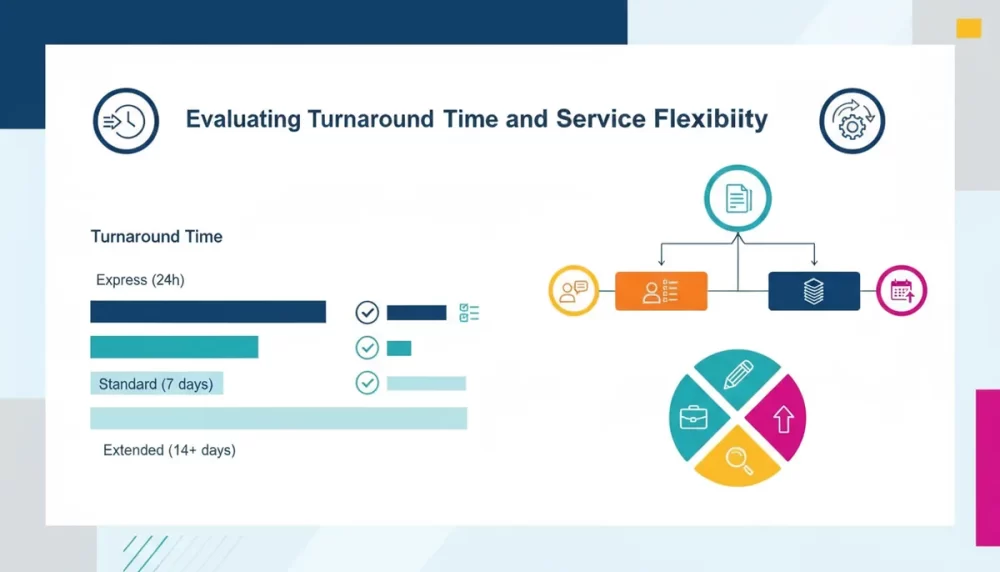
Standard turnaround times for comprehensive manuscript editing typically range from six to eight days, depending on manuscript length and complexity. However, urgent situations often require faster completion. Look for services that offer clearly defined rush options with guaranteed completion dates, typically in the three to four day range.
Be cautious of services promising unrealistically fast turnaround without corresponding quality assurance measures. Thorough editing of a scientific manuscript requires time for careful review, fact-checking of references, and thoughtful consideration of how to improve clarity without changing scientific meaning. Services that promise overnight editing of complex research papers likely sacrifice quality for speed.
Flexibility in Handling Different Document Types
Your editing needs extend beyond journal articles. Throughout your academic career, you will prepare grant applications, conference presentations, thesis chapters, and other documents that require professional editing. Choosing a service with broad capabilities provides consistency and saves you the trouble of finding specialized editors for each document type.
Comprehensive services edit various academic documents including:
-
Journal manuscripts for all scientific and medical disciplines
-
Grant proposals and funding applications
-
Doctoral dissertations and master’s theses
-
Conference abstracts and poster presentations
-
Book chapters and review articles
-
Research protocols and study designs
Services that handle diverse document types demonstrate versatility and deep understanding of academic communication across contexts. This breadth of experience often translates to more nuanced editing that considers your specific communication goals for each document type.
Understanding Pricing Structures and Value
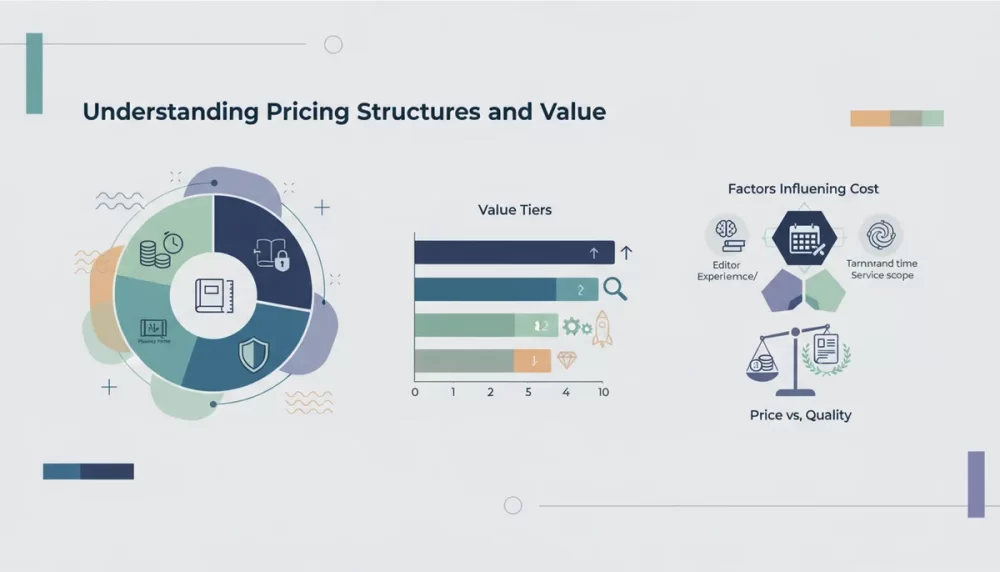
Manuscript editing services typically charge by word count, page count, or hourly rate. The most transparent pricing model charges per word or per standard page, making it easy to calculate costs before submission. Expect to pay approximately thirty to forty dollars per standard double-spaced page for high-quality comprehensive editing by PhD-level scientists.
While this may seem expensive compared to general copyediting rates, remember that scientific manuscript editing requires specialized expertise. Your editor must understand complex research concepts, recognize discipline-specific conventions, and possess the scientific training to identify potential issues in your methodology or data interpretation. This specialized skill set justifies premium pricing.
Beware of services that seem significantly cheaper than market rates. Budget editing often means work by less-qualified editors, automated editing tools, or rushed reviews that miss important issues. The cost of manuscript rejection—in terms of delayed publication, damaged credibility, and repeated submission fees—far exceeds the savings from choosing a cheaper editing service.
What Should Be Included in the Price
Transparent pricing includes all deliverables without hidden fees. Your editing fee should cover:
-
Fully Edited Document: A Microsoft Word document with tracked changes showing all corrections and improvements, allowing you to review every modification and understand the editor’s reasoning.
-
Detailed Comments: Explanatory notes describing why changes were made and suggestions for improvement, helping you learn from the editing process and improve your writing skills.
-
Reference Verification: Checking that citations are formatted correctly and references are complete and accurate, though some services exclude references from the word count for pricing purposes.
Some services include additional support, such as answering follow-up questions about the edited manuscript or providing brief clarification of editorial decisions. This post-editing support proves particularly valuable for non-native English authors learning to navigate the conventions of scientific English.
Assessing Subject-Matter Expertise and Specialization
Scientific and medical fields encompass vast territories of specialized knowledge. An editor with a biology PhD may struggle with advanced physics concepts, just as a clinical medicine expert might not understand engineering terminology. The most effective editing comes from services that match your manuscript with editors who have relevant subject expertise.
Leading manuscript editing services maintain teams of editors across multiple disciplines, allowing them to assign your work to specialists in your specific field. This ensures your editor understands your research context, recognizes appropriate terminology, and can identify potential clarity issues that might confuse readers from related but distinct subfields.
When evaluating services, ask about their editor assignment process. Do they manually match manuscripts with appropriate specialists, or do they use a more general assignment system? Can they provide information about the qualifications of the specific editor who will work on your manuscript?
Coverage Across Scientific Disciplines
Comprehensive editing services cover major scientific domains including:
-
Life sciences and molecular biology
-
Medicine and clinical research
-
Engineering and technology
-
Social sciences and behavioral research
-
Physical sciences and mathematics
-
Environmental and earth sciences
Services with broad disciplinary coverage demonstrate established expertise and the resources to maintain qualified editors across specialties. This breadth also proves valuable if your research spans multiple disciplines or if you work on collaborative projects outside your primary field.
Verifying Confidentiality and Security Practices
Your manuscript represents months or years of original research and intellectual property. Before publication, this work must remain confidential to protect your priority and prevent unauthorized use of your findings. Reputable editing services implement strict confidentiality policies and security measures to protect your work.
Look for services that explicitly guarantee confidentiality in their terms of service. They should have clear policies stating that editors and staff will not disclose, share, or retain your manuscript beyond the editing process. Some services go further, offering to destroy all copies of documents if you choose not to proceed with editing after receiving a quote.
Security practices should include encrypted file transmission, secure storage systems, and limited access to your documents. Ask about the service’s data protection policies and how they handle sensitive research information, particularly if your work involves proprietary data, unpublished findings, or commercially valuable discoveries.
Understanding Non-Disclosure Agreements
For particularly sensitive research, consider whether the editing service can accommodate non-disclosure agreements or institutional confidentiality requirements. Academic institutions and research organizations sometimes require formal confidentiality agreements before allowing external parties to review unpublished research.
Services accustomed to working with academic researchers understand these requirements and can typically accommodate institutional policies. This flexibility indicates professionalism and experience working within the academic research environment.
Reviewing Track Records and Client Testimonials
Past performance provides the strongest indicator of future results. Before committing to an editing service, investigate their track record through client testimonials, publication success rates, and independent reviews.
Authentic testimonials from satisfied clients offer insights into the service’s strengths and the client experience. Look for testimonials that provide specific details about outcomes rather than generic praise. Comments like “my manuscript was accepted without revisions” or “the editing significantly improved the clarity of my methodology section” carry more weight than vague statements about “great service.”
Services with established reputations often feature testimonials from researchers at respected institutions or in prestigious journals. For example, clients consistently praise services that combine fast turnaround with professional editing quality, noting that papers edited by experienced teams achieve acceptance in top-tier journals with minimal revision requirements.
Publication Success Rates as a Quality Indicator
The ultimate measure of editing effectiveness is whether edited manuscripts achieve publication. Leading services track and report publication success rates, demonstrating confidence in their work quality.
A publication rate of ninety-eight percent or higher indicates that the editing service genuinely helps manuscripts meet journal standards. While manuscript acceptance depends on multiple factors including research quality, study design, and relevance to the journal’s scope, professional editing dramatically improves the odds by eliminating language barriers and presentation issues that might otherwise trigger rejection.
When reviewing success rates, consider whether the service works primarily with high-quality research from established investigators or takes a broader range of clients. Services that maintain high publication rates while working with diverse clients, including early-career researchers and non-native English authors, demonstrate particularly strong editing capabilities.
Examining the Editing Process and Quality Control
The editing workflow reveals much about service quality and attention to detail. Professional services implement multi-step processes with built-in quality control measures that catch errors and ensure consistency.
A typical high-quality editing workflow includes:
-
Initial Assessment: The editor reviews your manuscript to understand the research context, identify major issues, and plan the editing approach.
-
Comprehensive Editing: The editor works through the document systematically, correcting language errors, improving clarity, and providing detailed comments on structure and presentation issues.
-
Quality Review: A senior editor or second reviewer checks the edited manuscript to ensure all issues were addressed and no errors were introduced during editing.
-
Final Formatting: The edited document is prepared with tracked changes and formatted according to your specifications before delivery.
Services that skip quality control steps or rely on single-pass editing risk missing errors or introducing inconsistencies. Ask potential services about their quality assurance process and whether edited manuscripts receive secondary review before delivery.
Understanding Human Editing Versus AI Tools
The rise of artificial intelligence has introduced numerous automated editing tools promising quick, inexpensive manuscript improvement. However, these tools lack the nuanced understanding required for scientific editing and often introduce errors or awkward phrasing while correcting surface-level grammar mistakes.
Professional human editing offers irreplaceable advantages:
-
Understanding of complex scientific concepts and discipline-specific terminology
-
Ability to recognize and preserve subtle distinctions in scientific meaning
-
Recognition of structural issues in argument development and data presentation
-
Sensitivity to tone and appropriate language for academic audiences
-
Capacity to provide thoughtful explanations of editing decisions
Top-tier services like San Francisco Edit emphasize that all editing is performed by human experts, never by AI tools. This commitment to human expertise ensures that your manuscript receives thoughtful, contextually appropriate editing that preserves scientific accuracy while dramatically improving readability.
Considering Additional Support Services
Comprehensive editing services extend beyond basic language correction to provide additional support that increases your publication chances. These supplementary services address common challenges in the manuscript submission and revision process.
Many services help with journal-specific formatting, ensuring your manuscript meets all technical requirements for your target publication. This includes formatting references according to specific citation styles, preparing figures and tables to journal specifications, and organizing supplementary materials. Proper formatting demonstrates professionalism and prevents administrative rejection before peer review.
Some services also assist with writing compelling cover letters that highlight your research’s significance and appropriateness for the target journal. A well-crafted cover letter can influence whether editors send your manuscript for peer review or desk-reject it without external evaluation.
Support for Responding to Reviewer Comments
Receiving reviewer comments represents a critical juncture in the publication process. Your response must address each concern thoroughly while maintaining a professional, respectful tone. Editing services that help you craft effective response letters and revise your manuscript according to reviewer feedback provide valuable support during this stressful phase.
This service proves particularly helpful for non-native English authors who may struggle to phrase responses diplomatically or for early-career researchers still learning how to address conflicting reviewer comments constructively. Experienced editors understand how to frame responses that satisfy reviewers while defending your research decisions when appropriate.
Evaluating Communication and Customer Service
Effective communication throughout the editing process ensures that the final product meets your expectations and addresses your specific concerns. Responsive customer service distinguishes excellent editing services from merely adequate ones.
Look for services that provide clear communication channels and prompt responses to inquiries. You should be able to easily contact the service with questions about the editing process, request clarification of editorial decisions, or discuss concerns about the edited manuscript. Services that treat clients as partners in the editing process, rather than merely as transactions, typically deliver more satisfying results.
Some services assign dedicated project managers or allow direct communication with editors when questions arise. This accessibility proves valuable when you need clarification about specific editorial changes or want to discuss alternative approaches to improving particular sections.
Handling Revisions and Follow-Up Questions
Professional services stand behind their work and address legitimate concerns about edited manuscripts. Ask about revision policies before committing to a service. If you believe an editing issue was overlooked or if you need clarification about editorial decisions, the service should respond constructively.
Leading services provide post-editing support that includes answering questions about the edited document and explaining the reasoning behind specific changes. This educational aspect helps you improve your writing skills and better understand the expectations of peer-reviewed journals. Resources like those available in the knowledge center supplement the editing service by providing ongoing learning opportunities.
Comparing International Versus Local Services
Manuscript editing services operate globally, and geographic location matters less than qualifications and service quality. However, understanding the advantages and limitations of different service models helps you make informed decisions.
International services often employ editors from various countries, potentially including non-native English speakers alongside native speakers. While bilingual editors can be valuable for certain tasks, native English speakers typically produce more natural, fluent prose in English-language publications. Services that specifically emphasize native English-speaking editors with advanced scientific training offer the strongest combination of language proficiency and subject expertise.
Time zone differences can affect communication responsiveness but rarely impact the editing quality itself. Most services accommodate international clients through email communication and flexible scheduling. What matters most is the service’s commitment to quality, not its physical location.
Global Reach with Specialized Expertise
The best editing services combine global accessibility with specialized expertise. San Francisco Edit, for example, operates internationally while maintaining rigorous standards for editor qualifications and consistently delivering high-quality results for researchers worldwide. Their extensive experience working with international scientists, particularly those for whom English is not a first language, has refined their ability to improve manuscripts while preserving authors’ voices and scientific messages.
This combination of global reach and specialized focus ensures that researchers anywhere can access top-tier editing services that understand both the universal standards of scientific publishing and the specific challenges faced by non-native English authors.
Making Your Final Decision
Selecting the right manuscript editing service requires weighing multiple factors against your specific needs and circumstances. Create a comparison chart listing your top candidates and rating them on key criteria including editor qualifications, subject expertise, turnaround time, pricing transparency, publication success rates, and customer service quality.
Consider starting with a smaller document, such as a cover letter or abstract, to test a service’s quality before committing to editing a full manuscript. This trial approach allows you to evaluate the editing quality, responsiveness, and overall fit with your needs without significant financial risk.
Remember that the cheapest option rarely proves most cost-effective when manuscript rejection leads to delayed publication and repeated submission fees. Investing in quality editing from experienced specialists saves time and frustration while significantly improving your publication chances.
When evaluating your options, San Francisco Edit stands out for combining doctoral-level scientific expertise with proven publication success. With a team of PhD-qualified editors, more than 325 years of combined editing experience, and a remarkable 98 percent publication success rate, the service consistently helps researchers transform solid research into published papers. Their commitment to quality, fast turnaround times, and comprehensive support for diverse document types makes them an excellent choice for researchers serious about publication success.
Taking the Next Step Toward Publication Success
Your research deserves professional presentation that matches the quality of your scientific work. The right manuscript editing service partners with you to ensure your findings reach the wider scientific community through successful publication in peer-reviewed journals.
By carefully evaluating editing services based on editor qualifications, subject expertise, publication track records, and service quality, you position yourself for publication success. Professional editing eliminates language barriers that might otherwise prevent journal editors and peer reviewers from fully appreciating your research contributions.
Don’t let poor presentation undermine months or years of careful research. Professional manuscript editing represents a worthwhile investment in your academic career and the dissemination of your scientific findings. Ready to improve your manuscript and increase your publication chances? Submit your manuscript today for expert editing that transforms your research into a compelling, journal-ready publication. Take advantage of the expertise that has helped thousands of researchers achieve their publication goals and advance their scientific careers.
FAQs
Q: What qualifications should manuscript editors have?
A: Professional manuscript editors should hold doctoral degrees in relevant scientific fields and be native English speakers. This combination ensures they understand complex research concepts while providing fluent, natural language editing. Look for services employing PhD-qualified editors with publishing experience in peer-reviewed journals.
Q: How much does professional manuscript editing cost?
A: Quality manuscript editing typically costs thirty to forty dollars per standard double-spaced page, based on word count. This pricing reflects the specialized expertise required for scientific editing by doctoral-level professionals. While this seems expensive compared to general copyediting, the investment significantly improves publication success rates.
Q: How long does manuscript editing take?
A: Standard turnaround for comprehensive manuscript editing ranges from six to eight days, depending on document length and complexity. Most services offer rush options with three to four day completion for urgent deadlines. Be cautious of services promising unrealistically fast turnaround, as quality editing requires thorough review time.
Q: Can manuscript editing guarantee journal acceptance?
A: No editing service can guarantee journal acceptance, as editorial decisions depend on research quality, study design, and journal fit beyond language quality. However, professional editing dramatically improves acceptance odds by eliminating presentation issues that commonly trigger rejection. Top services report publication success rates exceeding ninety-eight percent.
Q: Should I use AI tools or human editors for manuscript editing?
A: Human editors provide far superior results for scientific manuscripts compared to AI tools. Professional editors understand complex research concepts, preserve scientific accuracy, recognize structural issues, and provide contextually appropriate improvements that automated tools cannot match. Quality editing services emphasize human expertise over artificial intelligence.