Key Takeaways
-
Write your complete research proposal before drafting the abstract; then extract key sentences from each major section (Introduction, Methods, Results, Conclusions) and combine them into a flowing paragraph.
-
Structure your abstract with six essential components in logical order: background, research problem, knowledge gap, methods, expected results, and significance—each serving a distinct purpose for reviewers.
-
Keep abstracts between 150-300 words (typically 150-250 for journal articles) in a single paragraph of 6-7 sentences; always check your target journal's specific word count and format requirements before writing.
-
Use precise, active voice language without citations, undefined abbreviations, or new information not in your proposal; every word must earn its place by eliminating redundancy and filler phrases.
-
Avoid common pitfalls: writing the abstract as an introduction, exceeding word limits, using vague language, omitting the knowledge gap, and skipping methodology details—these mistakes often trigger manuscript rejection.
-
Have a qualified editor or native English speaker review your final abstract, especially if English is your second language; poor language quality is a leading reason for manuscript rejection at initial screening.
The abstract of a research proposal is one of the most important sections you will write. It is often the first thing journal editors and reviewers read. In many cases, it is the only thing they read before deciding whether to continue. A well-written abstract can open doors. A poorly written one can close them instantly.
Whether you are a PhD candidate, a clinician submitting your first study, or an experienced faculty member managing multiple projects, mastering how to write an abstract of a research proposal is a critical skill. This guide walks you through every step — from structure and length to common mistakes and professional polish.

What Is a Research Proposal Abstract?
A research proposal abstract is a short, self-contained summary of your proposed study. It tells readers what you plan to study, why it matters, how you will do it, and what you expect to find. It is not an introduction. It does not set up the background in detail. Instead, it distills your entire proposal into a focused, readable paragraph.
Journal editors at PubMed-indexed journals and other peer-reviewed publications often screen manuscripts based on the abstract alone. This makes the abstract a critical gatekeeper for publication. A strong abstract increases your chances of moving forward in the review process.
How Long Should a Research Proposal Abstract Be?
Most research proposal abstracts should be between 150 and 300 words. For most research papers, 150 to 250 words is the standard range. Symposia abstracts typically max out at 250 words. Always check the specific guidelines of your target journal before writing.
In terms of structure, aim for approximately 6 to 7 sentences organized in a single paragraph. Each sentence should carry weight. There is no room for filler language in an abstract of this length.
| Document Type | Recommended Abstract Length | Typical Format |
|---|---|---|
| Journal Article | 150–250 words | Single paragraph or structured |
| Research Proposal | 150–300 words | Single paragraph |
| Symposium Abstract | Maximum 250 words | Single paragraph |
| Thesis or Dissertation | 250–350 words | Single paragraph or structured |

The Core Structure of a Research Proposal Abstract
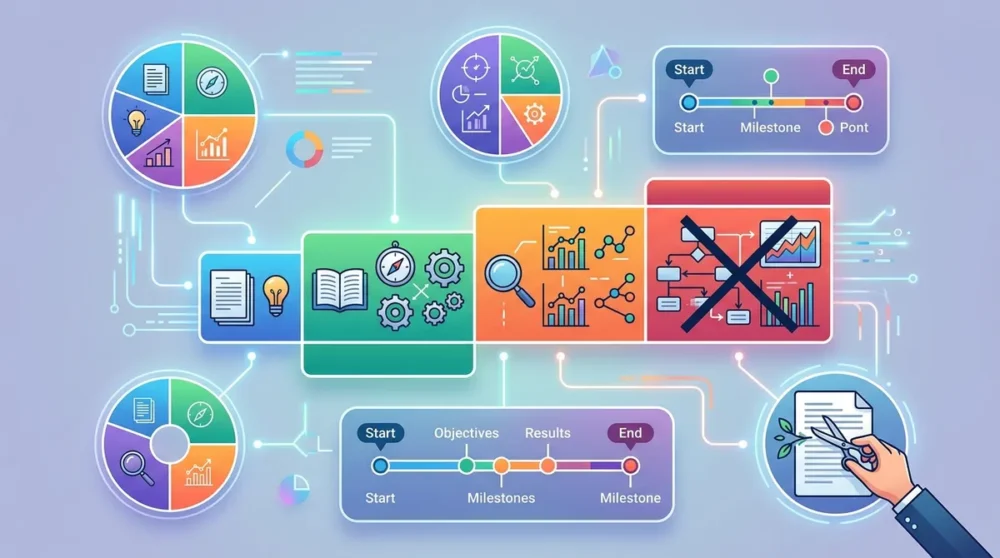
A strong abstract follows a logical sequence. Each component serves a distinct purpose. Skipping any element weakens the overall impact. Here is the standard structure used in scientific and medical manuscripts:
- Background or Context: Briefly explain the broader field and why the topic is relevant.
- Research Problem: Clearly state the specific issue or question your proposal addresses.
- Knowledge Gap: Identify what is missing in the current literature that your study will fill.
- Methods: Describe how you will conduct the research — study design, participants, tools, or techniques.
- Expected Results or Findings: State what outcomes you anticipate or what results you have found.
- Conclusions and Significance: Explain the implications of your work and why it matters to the field.
This structure ensures your abstract is complete and logical. Reviewers can quickly assess whether your proposal meets journal standards and research priorities.

Step-by-Step: Writing Your Research Proposal Abstract
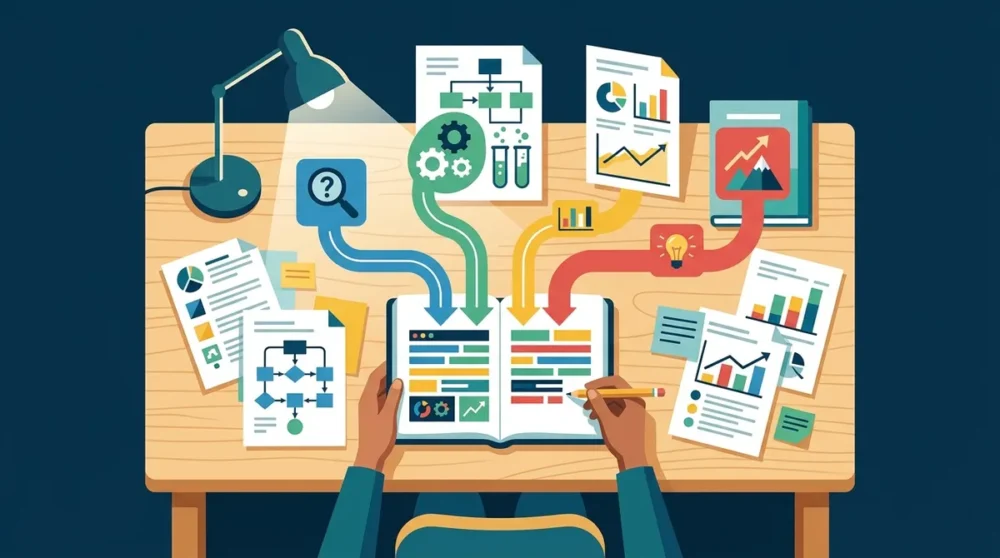
Many researchers make the mistake of writing the abstract first. Experienced writers know better. Write the full proposal first, then write the abstract. This allows you to extract key ideas directly from each section of your document.
- Complete your full proposal first. Do not begin the abstract until the entire document is drafted.
- Identify one key sentence from each major section. Pull the most important sentence from your Introduction, Methods, Results, and Conclusion.
- Combine those sentences into a flowing paragraph. Edit for transitions and logical flow between each idea.
- Cut unnecessary words. Every word must earn its place. Remove redundancy and filler phrases.
- Read it aloud. This helps identify awkward phrasing and overly long sentences.
- Check the word count. Ensure you are within the target range for your specific journal or institution.
- Seek professional feedback. Have a qualified editor or colleague review your abstract before submission.
Following these steps helps ensure your abstract accurately represents your proposal and reads clearly to reviewers. For authors writing in English as a second language, this process is especially important. Our knowledge center offers additional guidance on scientific writing for non-native English speakers.
Language and Style Tips for a Strong Abstract
The language in your abstract must be precise, clear, and professional. Poor language is one of the most common reasons manuscripts are rejected during initial screening.
- Use active voice wherever possible — it is cleaner and more direct.
- Write in complete sentences — avoid bullet points or fragments within the abstract itself.
- Avoid undefined abbreviations — spell out all acronyms on first use.
- Do not include citations — abstracts should stand alone without references.
- Avoid jargon and overly technical language that non-specialist editors may not understand.
- Do not copy the opening line of your introduction — the abstract must be independently written.
- Do not include new information that does not appear in the body of the proposal.
These principles apply regardless of your field — whether you work in life sciences, medicine, engineering, or social sciences. Clarity and precision are universal requirements in peer-reviewed publishing.
Common Mistakes to Avoid
Even experienced researchers make errors when writing abstracts. Being aware of these pitfalls can save you from an unnecessary rejection. Review these common mistakes carefully before submitting your proposal.
- Writing the abstract as an introduction: An abstract summarizes the entire proposal. An introduction sets up the research context. These are different documents with different purposes.
- Exceeding the word limit: Most journals enforce strict word counts. Going over the limit signals a lack of attention to guidelines.
- Vague or generic language: Phrases like “this study is important” or “significant implications exist” add nothing. Be specific about what makes your research valuable.
- Missing the knowledge gap: Reviewers need to understand what gap your study fills. Without this, your proposal lacks a clear rationale.
- Ignoring methodology: Even in a proposal abstract, a brief description of your approach is essential. Omitting it raises questions about the rigor of your study.
- Grammatical and language errors: These undermine credibility. Non-native English authors are especially vulnerable to this issue, which is why professional language editing support is so valuable.
Structured vs. Unstructured Abstracts
Some journals require a structured abstract with labeled sections such as Background, Methods, Results, and Conclusions. Others require a single flowing paragraph. Knowing which format your target journal prefers is essential before you begin writing.
| Abstract Type | Format | Common Use |
|---|---|---|
| Unstructured | Single flowing paragraph | Basic research, humanities, general science |
| Structured | Labeled sections (Background, Methods, Results, Conclusions) | Clinical studies, medical journals, systematic reviews |
| Semi-structured | Mix of labeled and narrative sections | Some multidisciplinary journals |
Always review your target journal’s author guidelines on scientific abstract formatting before writing. This simple step prevents formatting errors that can delay or derail your submission.
The Role of Abstract Quality in Journal Acceptance
Many journal editorial boards screen manuscripts based primarily on the abstract. If your abstract does not communicate the value of your research clearly, your manuscript may be rejected before the full text is ever read. This is especially true for high-impact journals that receive hundreds of submissions each month.
Research published in peer-reviewed literature confirms that poor English and careless preparation are significant contributors to manuscript rejection — particularly for non-native English-speaking authors. Investing in professional scientific editing before submission is one of the most effective ways to improve your acceptance rate.
At San Francisco Edit, our team of native English-speaking PhD scientists has helped authors across the world improve their abstracts and full manuscripts. With a 98% acceptance rate among edited papers and over 325 years of combined staff experience, we understand what journal editors are looking for. You can explore our services and read testimonials from researchers who have benefited from professional editing support.
Tips Specific to Non-Native English Authors
For researchers whose first language is not English, writing a polished abstract presents additional challenges. The linguistic precision required for peer-reviewed publishing is high. Minor errors in grammar or word choice can change the meaning of a sentence entirely.
- Write your abstract in your native language first, then translate carefully into English.
- Use simple, direct sentence structures rather than complex or compound sentences.
- Have a native English speaker or professional editor review the final draft.
- Pay attention to articles (“a,” “an,” “the”) — these are a common source of errors for many non-native speakers.
- Use consistent verb tenses — typically past tense for completed work and future tense for proposed actions.
Professional language editing services tailored to scientific manuscripts can make a significant difference in both clarity and acceptance rates. You can review our pricing and payment options to find a plan that works for your needs.
Before You Submit: A Final Checklist
Before sending your research proposal for review, use this checklist to confirm your abstract is ready:
- Does the abstract fit within the required word count (typically 150–300 words)?
- Does it include background, research problem, knowledge gap, methods, expected results, and conclusions?
- Is it written in clear, active voice with complete sentences?
- Does it stand alone — can someone understand it without reading the full proposal?
- Does it avoid citations, undefined abbreviations, and new information?
- Has it been reviewed by a professional editor or native English speaker?
Meeting all six criteria gives your abstract the best possible chance of making a strong first impression. If you are unsure about any of these points, professional editing support from a service like San Francisco Edit can help you finalize your abstract with confidence.
Conclusion
Learning how to write an abstract of a research proposal is a skill that pays dividends throughout your academic or clinical career. A well-crafted abstract communicates your research clearly, demonstrates your professionalism, and dramatically improves your chances of journal acceptance. Focus on structure, precision, and language quality — and never underestimate the power of a second set of expert eyes.
If you are ready to give your manuscript the professional edge it deserves, we invite you to submit your manuscript for expert editing by San Francisco Edit’s team of PhD scientists. With fast turnaround times, strict confidentiality, and a proven track record, we are here to help you publish with confidence. You are also welcome to visit our FAQ page for more information about our editing process.
FAQs
Q: What are the key components of a research proposal abstract?
A: A research proposal abstract should include six core elements: background or context, the specific research problem, the knowledge gap your study addresses, your methodology, expected results or findings, and the significance or conclusions of your work. Each component serves a distinct purpose and should be presented in a logical, flowing sequence within 150 to 300 words.
Q: Should citations be included in a research proposal abstract?
A: No. Citations should not appear in a research proposal abstract. The abstract must stand alone as a self-contained summary of your research. Including references would require readers to consult external sources to understand your abstract, which defeats its purpose as an independent overview.
Q: How is a research proposal abstract different from an introduction?
A: A research proposal abstract is a condensed summary of the entire proposal, including methods, expected findings, and conclusions. An introduction, by contrast, provides context and background to lead readers into the full manuscript. The abstract should be intelligible on its own, while the introduction is designed to be read as part of the complete document.
Q: When should I write the abstract for my research proposal?
A: You should write the abstract after completing the full research proposal. This approach allows you to extract the most important sentence or idea from each section — Introduction, Methods, Results, and Conclusions — and combine them into a coherent, accurate summary. Writing the abstract first often results in a mismatch between the abstract and the final content of the proposal.
Q: How does a well-written abstract affect journal acceptance rates?
A: A well-written abstract significantly improves your chances of journal acceptance because many editorial boards use the abstract as the primary screening tool. If the abstract fails to clearly communicate your research problem, methods, and significance, reviewers may reject the manuscript before reading further. Professional editing of your abstract can improve clarity, language quality, and overall presentation, directly supporting a higher acceptance rate.